When most people think of Western North Carolina, they picture lush forests, cool mountain breezes, and endless outdoor adventure. Wildfires aren’t usually top of mind—and that’s understandable. While our region is far less fire-prone than many western states, wildfire season does exist here. Understanding when wildfire season occurs and how it typically behaves in the mountains can help homeowners feel confident and well-prepared.

When Is Wildfire Season in WNC?
Western North Carolina typically experiences two main wildfire seasons each year:
🍂 Fall Fire Season (October–December)
This is the most active period. Dry air and accumulations of fallen leaves create a natural fuel bed on the forest floor. When paired with the occasional drought, conditions can be ideal for fire spread.
🌱 Spring Fire Season (February–April)
Before trees fully leaf out, vegetation remains dry and winds can be gusty—both factors that contribute to fire potential during this brief window.
Why Wildfires Occur in Western NC
While WNC is known for its lushness, several natural and human factors can contribute to wildfire activity:
- Mountainous terrain, where fire moves more quickly uphill
- Deciduous forests that shed significant leaf litter
- Periodic dry spells, especially following warm fall or winter weather
- Human activity, including debris burning, campfires, fireworks, and equipment sparks
It’s worth noting that most fires in North Carolina are human-caused, meaning they are often preventable.
How Severe Are Wildfires in WNC?
Historically, Western North Carolina sees occasional larger fires, such as those in 2016 near Lake Lure and in the Great Smoky Mountains. However:
- The entire state averages 3,000+ wildfires annually,
- Most of them are small, and
- Local and state agencies respond quickly and efficiently.
Catastrophic, large-scale fires are not a yearly occurrence, and risk levels vary based on weather patterns.
What Buyers and Homeowners Can Do
If you own—or are considering owning—property in the WNC mountains, these proactive steps can significantly reduce risk:
1. Maintain defensible space
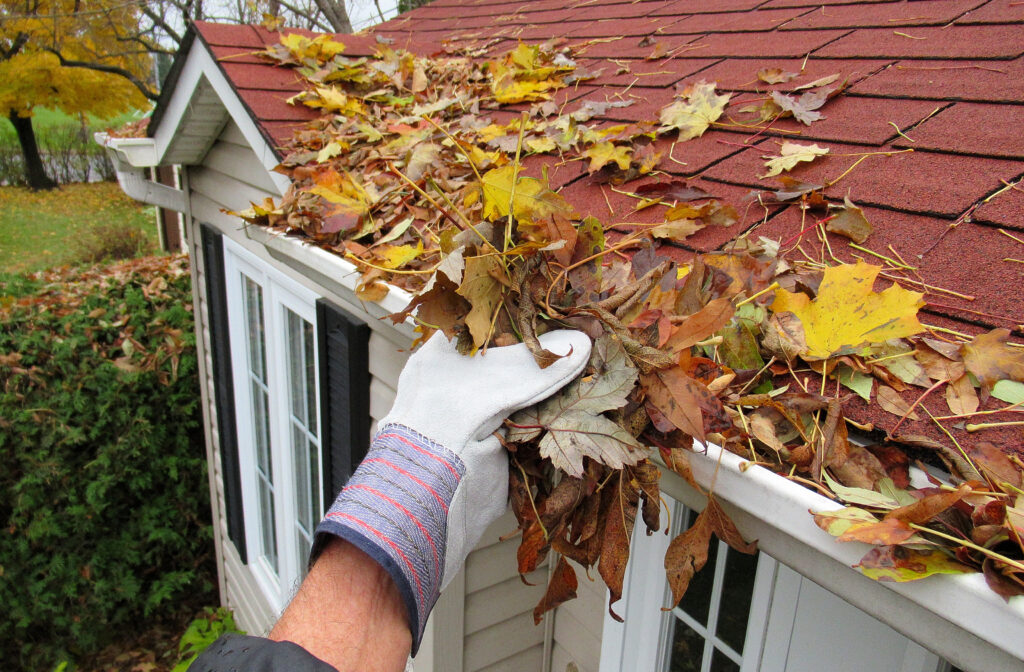
Clear leaves, branches, and brush from around structures. This reduces available fuel near your home.
2. Choose fire-resistant landscaping
Hardwoods are naturally more fire-resistant than pines. Native rhododendron and mountain laurel are beautiful but can burn intensely—keep them trimmed and managed.
3. Keep access clear
Make sure driveways and private roads allow easy access for emergency response vehicles.
4. Stay informed
Check local burn bans and fire danger ratings—especially during peak seasons. County fire marshals update these frequently, and the North Carolina Forest Service keeps their Wildfire Public Viewer updated as well.