In an evolving real estate market, condominiums continue to offer attainable ownership and lifestyle-driven appeal. With lower maintenance demands and typically more approachable price points, they offer a streamlined path into real estate, whether as a primary residence, a lock-and-leave retreat, or an income-producing asset.
As affordability continues to influence purchasing decisions, condos are often viewed as a smart foothold with the potential for both rental income and long-term appreciation. In markets like Asheville and throughout Western North Carolina, where pricing has challenged accessibility in recent years, condo ownership is a smart way to gain entry without compromising on location.
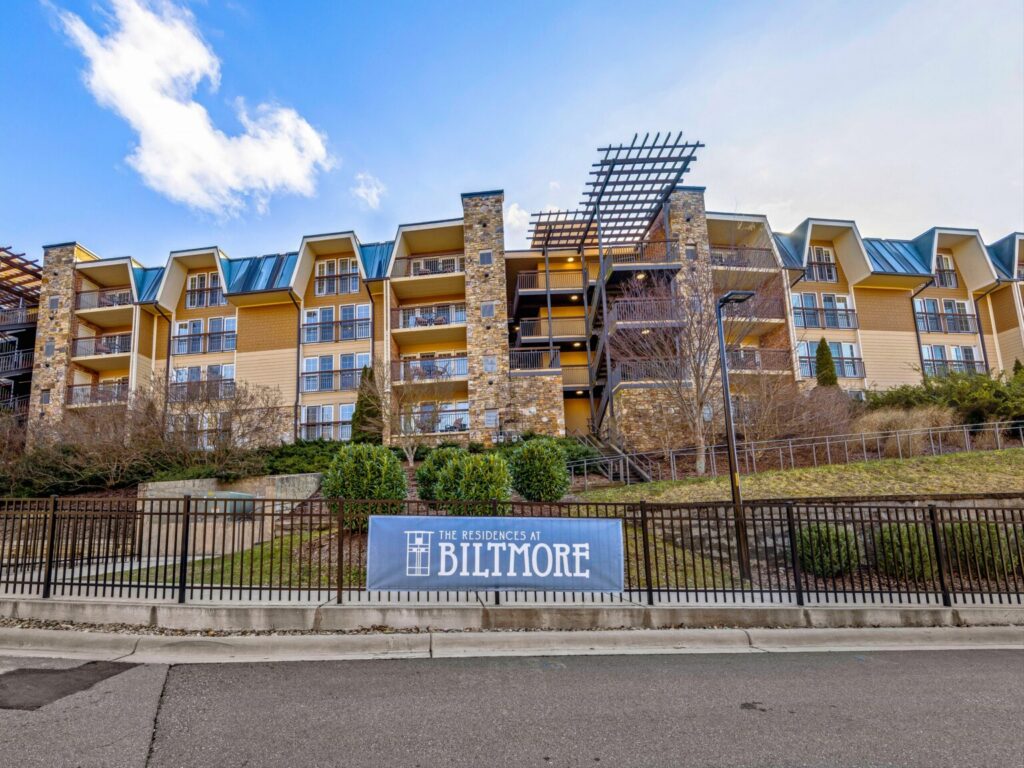
Key Takeaways
- Condos offer low-maintenance living with HOA-managed upkeep outside of your unit.
- Condo investment can be an affordable option for building equity.
- HOA fees, rules, and condo financing terms can impact overall affordability.
- Condo investing involves weighing pros and cons, including convenient amenities vs. limited control.
What is a Condo?
A condo, short for condominium, is a privately owned residence within a larger building or community of similar units. While renting a condo can be an option, condo ownership offers the benefit of building equity. Owners hold title to their individual units while collectively maintaining common areas. With roots in the U.S. dating back to the 1960s, condos have evolved into a widely embraced option for those seeking both simplicity and flexibility in their real estate investment.
Condominiums vs. Apartments
While condos and apartments may appear nearly identical, the primary difference lies in ownership. Condos are individually owned units that can be bought and sold, while apartments are typically owned by a single entity and leased to tenants. Apartment residents work directly with a landlord or management company for rent and maintenance, whereas condo owners are responsible for the interior of their unit.
How Renting Works
When renting a condo, tenants typically lease from the individual owner, meaning terms, fees, and responsibilities may differ from those in a traditional apartment setting. In condo communities, shared spaces like hallways, amenities, and landscaping are maintained by a condominium owners association (COA) and funded through owner dues, whereas in apartment communities, maintenance is typically handled entirely by a property management company.
How Does Condo Ownership Work?
Owning a condo means owning your private residence as well as holding a percentage interest in the land, building, common areas and amenities. Monthly assessments fund ongoing maintenance and may include certain utilities, while the condo owners’ association establishes rules—often referred to as covenants, conditions, and restrictions—to help preserve the integrity of the community. Because this structure directly impacts both day-to-day living and long-term value, buyers should review each condo community’s guidelines, along with the association’s financial stability and any potential special assessments, as part of their due diligence.
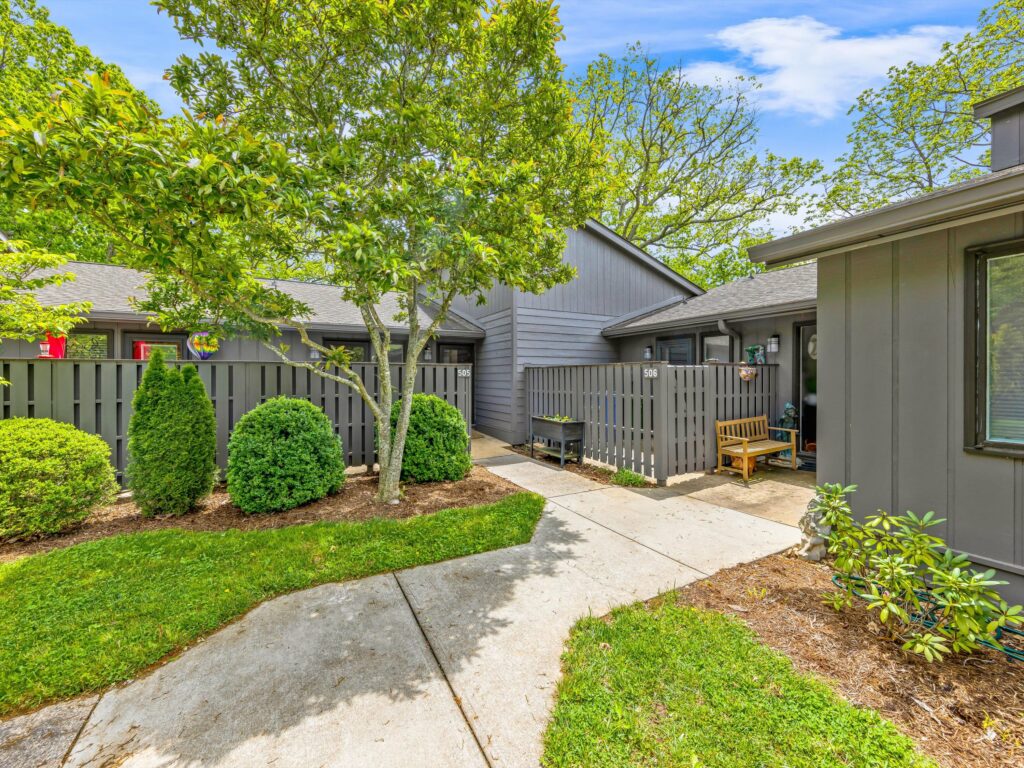
Pros of Condos
Low/No Maintenance
With maintenance of common areas handled by the association, condo ownership offers a simplified, low-maintenance lifestyle. Owners can enjoy their space without the burden of exterior upkeep.
Amenities
Condos often come with on-site amenities like gyms, pools, and gathering spaces, adding value and convenience without the full responsibility of maintenance. This built-in access can also eliminate the need for costly memberships outside the community.
Security
Beyond lifestyle benefits, condo ownership can provide lasting financial stability and potential appreciation. Each mortgage payment builds equity, helping turn your home into a long-term asset. Owning your space also offers predictability and control, without the uncertainty of rising rents or lease changes.
Condo Drawbacks
HOAs
While helpful for maintaining consistency, HOA rules can also limit flexibility when it comes to personalizing your unit or how the property is used. Owners are also responsible for HOA dues for the upkeep of common areas and amenities, which can add to monthly costs.
Lack of Privacy
Condo living often means a closer proximity to neighbors than single-family homes. A communal environment can bring higher density, more noise, and shared spaces.
Higher Interest Rates
Condo financing can sometimes come with higher costs, as lenders may view these properties as a greater risk. According to First Citizens Bank, factors like the financial stability of the condo association and the condition of shared spaces can lead to higher mortgage rates, added fees, or increased private mortgage insurance, as well as have the potential to extend the loan process.
Is a Condo a Good Investment?
Whether a condo is a good investment depends on how well it aligns with your goals. A condo investment can offer a manageable entry point into real estate with the added benefit of rental income or a future resale opportunity. Location, purchase price, and local rental demand all play a major role in determining income potential and long-term appreciation.
Before investing, buyers should also evaluate the condo association’s financial stability, monthly dues, and any rental restrictions, as well as financing terms and long-term maintenance costs, since these can directly impact profitability. For those willing to conduct thorough due diligence, condos can offer accessibility, steady cash flow and long-term value growth.
Bottom Line
Condos continue to play an important role in today’s real estate market, with the benefits of accessibility, convenience, and investment potential. Whether you’re looking for a low-maintenance primary residence, a lock-and-leave mountain retreat, or an income-producing property, condos can be a strategic way to enter or expand your real estate portfolio. At Altamont Property Group, we combine local market expertise with a personalized approach to help you navigate every step of the process. From identifying the right community to evaluating long-term investment potential, our team is here to help you find the right fit in Asheville and throughout Western North Carolina.

Condo FAQ
Do condos appreciate as much as single-family homes?
Condos can appreciate in value, but they often do so at a slower rate than single-family homes. Appreciation depends on factors like location, inventory levels, and HOA health.
Are condos easier to maintain than houses?
Yes, condos are generally easier to maintain than single-family homes because exterior maintenance, landscaping, and common areas are handled by an HOA. This low-maintenance lifestyle is a key benefit of condo ownership.
Are condos a good investment for first-time real estate investors?
Condos can be a great entry point for first-time real estate investors due to their lower purchase price and reduced maintenance responsibilities. However, investors should carefully evaluate HOA fees, rental restrictions, and local market conditions to ensure strong returns.
Sources
https://www.realtor.com/advice/buy/what-is-a-condo/
https://www.firstcitizens.com/personal/insights/home/buying-condo-versus-house
https://www.zillow.com/learn/what-is-difference-between-apartment-and-condo
https://www.redfin.com/blog/condo-vs-apartment