Each spring, Western North Carolina’s mountains turn brilliant shades of pink and purple as rhododendrons come into bloom. Beginning in May and climbing into the high peaks by early June, these vibrant mountain shrubs create one of the Southeast’s most dramatic seasonal displays. From high-elevation balds along the Blue Ridge Parkway to estate gardens in Asheville, rhododendron season is a can’t-miss experience in the Blue Ridge Mountains.
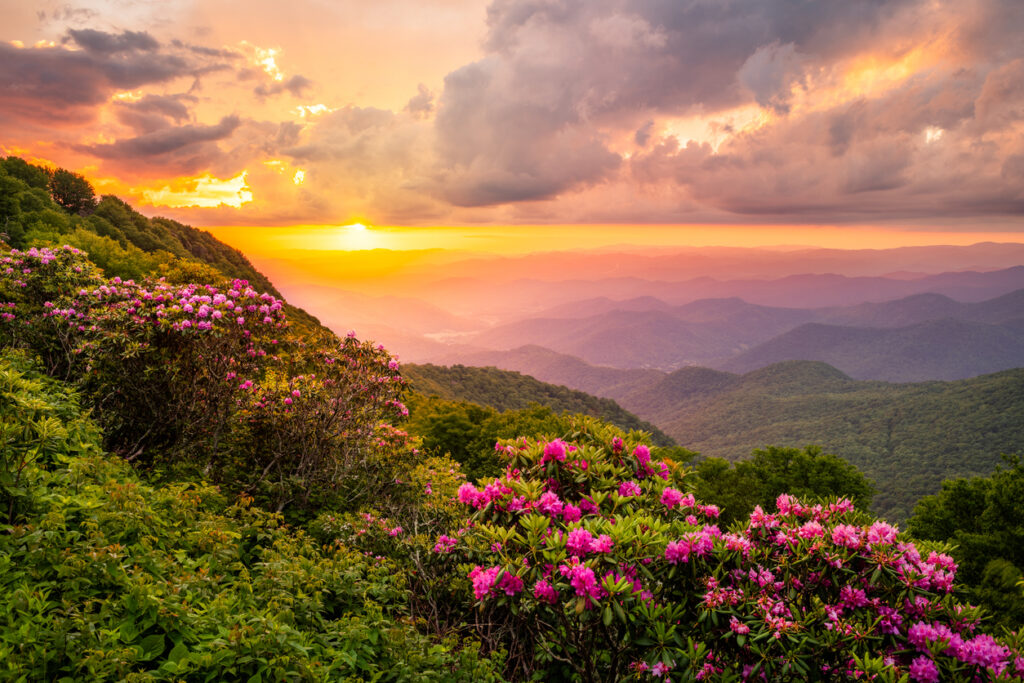
Western North Carolina’s dramatic elevation changes — from valleys around 2,000 feet to peaks above 6,000 feet — create one of the longest and most spectacular rhododendron bloom seasons in the Southeast. Instead of blooming all at once, rhododendrons “climb” the mountains as temperatures warm, creating a rolling wave of color from early spring through early summer. Because of this elevation-driven progression, visitors have a several-week window to experience rhododendrons in bloom somewhere in the mountains. Here are some of the best places to view this iconic mountain flower.
Blue Ridge Parkway
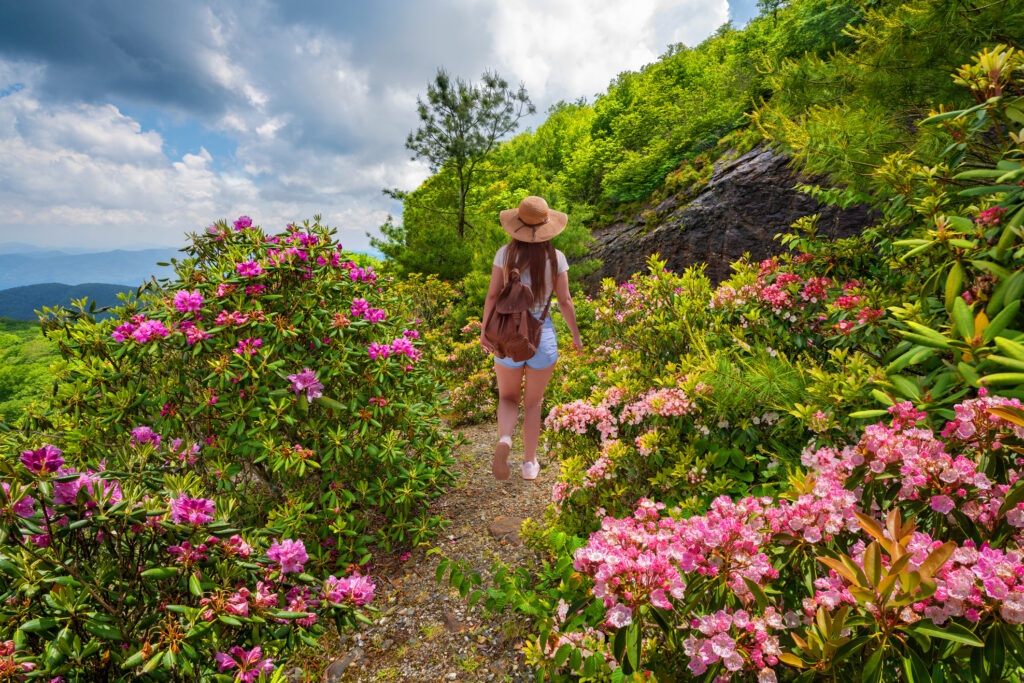
The Blue Ridge Parkway is the premier destination for seeing rhododendrons in bloom across multiple elevations in Western North Carolina. Bloom season progresses upward as temperatures warm:
- Early–Mid May (3,000–4,000 ft): Rosebay rhododendron begins blooming in mid-elevations.
- Mid–Late May: Increasing color along scenic overlooks and exposed ridgelines.
- Late May–Mid June (4,500+ ft): Catawba rhododendron reaches peak bloom in higher elevations.
Top Parkway locations for rhododendrons include Craggy Gardens (Milepost 364), Graveyard Fields (Milepost 418), Rough Ridge (near Linn Cove Viaduct), and sections near Linville Falls. Peak timing varies slightly each year depending on spring temperatures and rainfall
Craggy Gardens
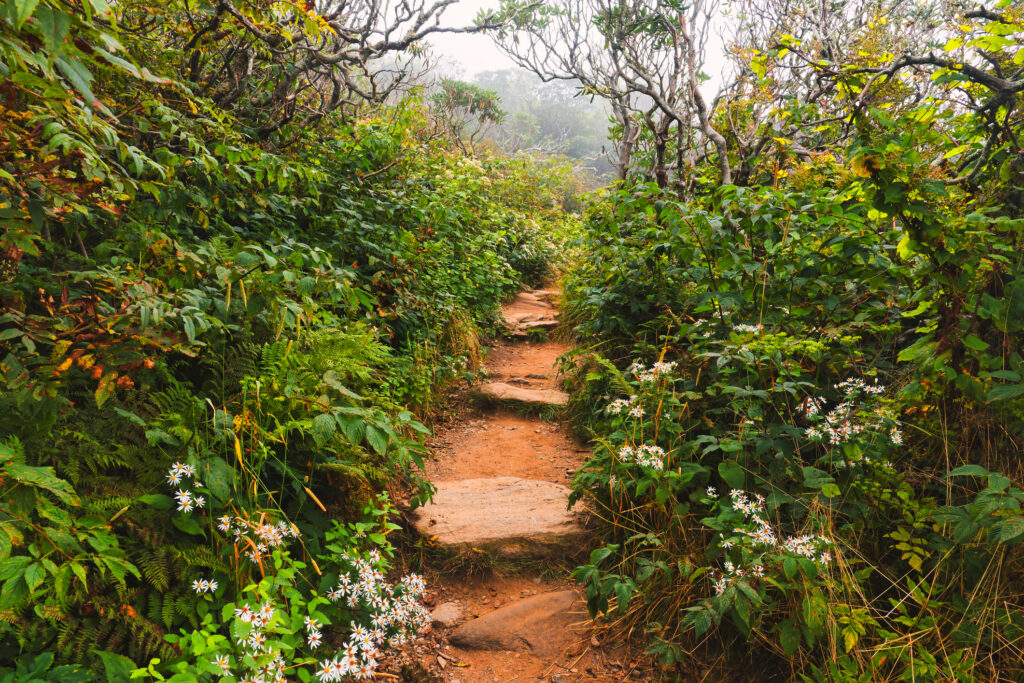
Craggy Gardens is Western North Carolina’s most iconic rhododendron destination. At elevations above 5,000 feet, vast natural gardens of Catawba rhododendron blanket the slopes in vivid pink and purple.
- Typical peak bloom: Late May to mid-June
- Best viewing: Craggy Pinnacle Trail and Craggy Flats Trail
Because bloom timing depends on elevation and late frosts, peak color can shift by a week or two each year. During peak bloom, this is one of the most photographed natural events in the region.
North Carolina Arboretum
While best known for its cultivated gardens, the Arboretum also offers curated rhododendron and native azalea collections that provide reliable bloom viewing.
- Early–Mid May: Native azaleas and early rhododendron varieties
- Mid–Late May: Peak rhododendron displays throughout landscaped garden areas
Unlike high-elevation locations, the Arboretum’s lower elevation (around 2,200 feet) means blooms typically appear earlier than along the higher stretches of the Parkway.
Biltmore Estate
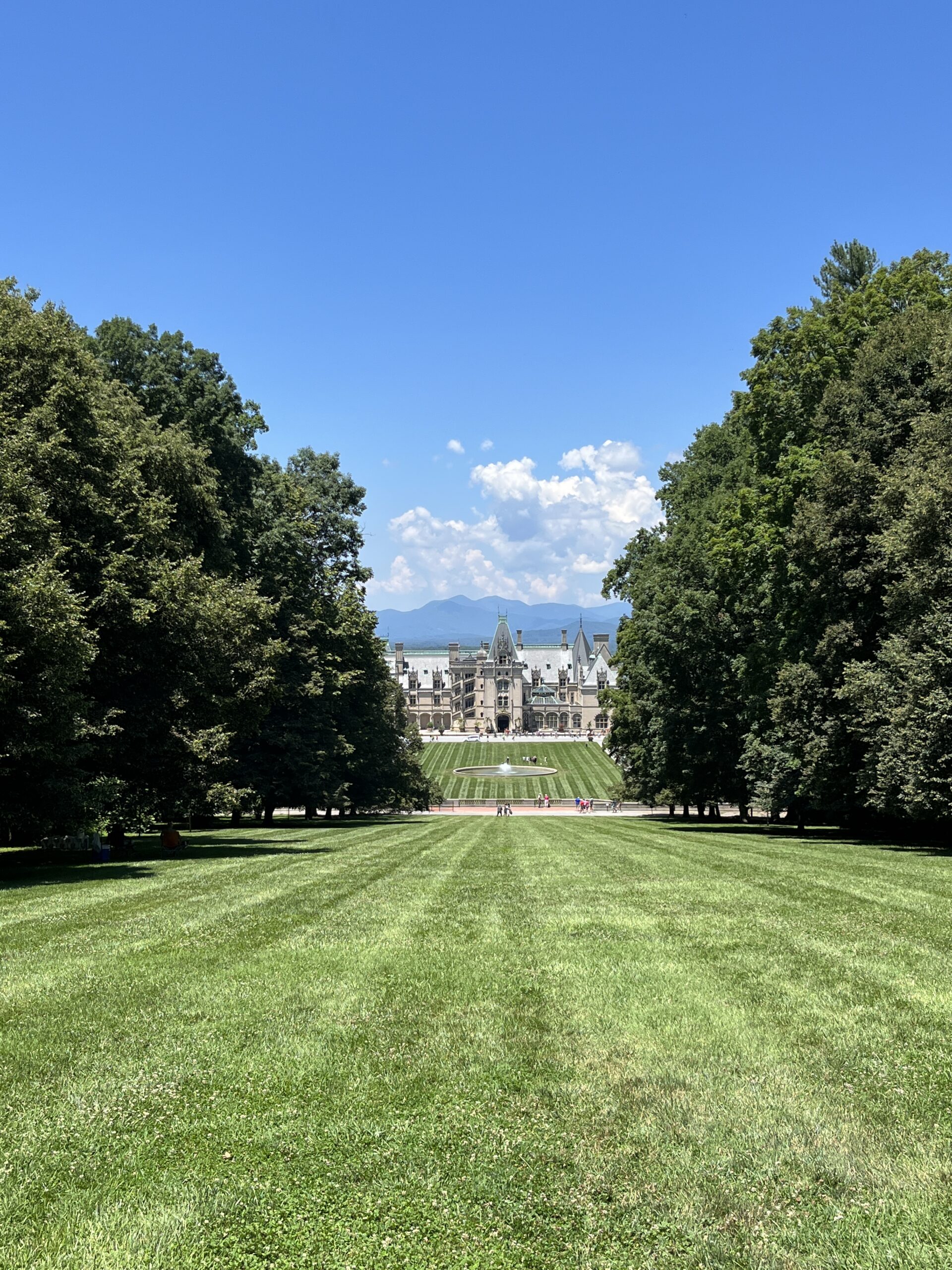
May is a stunning time to visit the Biltmore Estate, when mountain laurels and Catawba hybrid rhododendrons reach full bloom along the Approach Road and throughout the gardens. The result is a breathtaking corridor of color that greets guests before they even reach the house.
- Late April–May: Azaleas and select rhododendron varieties bloom in succession.
- Mid–Late May: Rhododendrons continue blooming throughout the estate gardens.
Because of its lower elevation, Biltmore’s rhododendron bloom often begins earlier than Craggy Gardens or Roan Mountain.
Roan Mountain
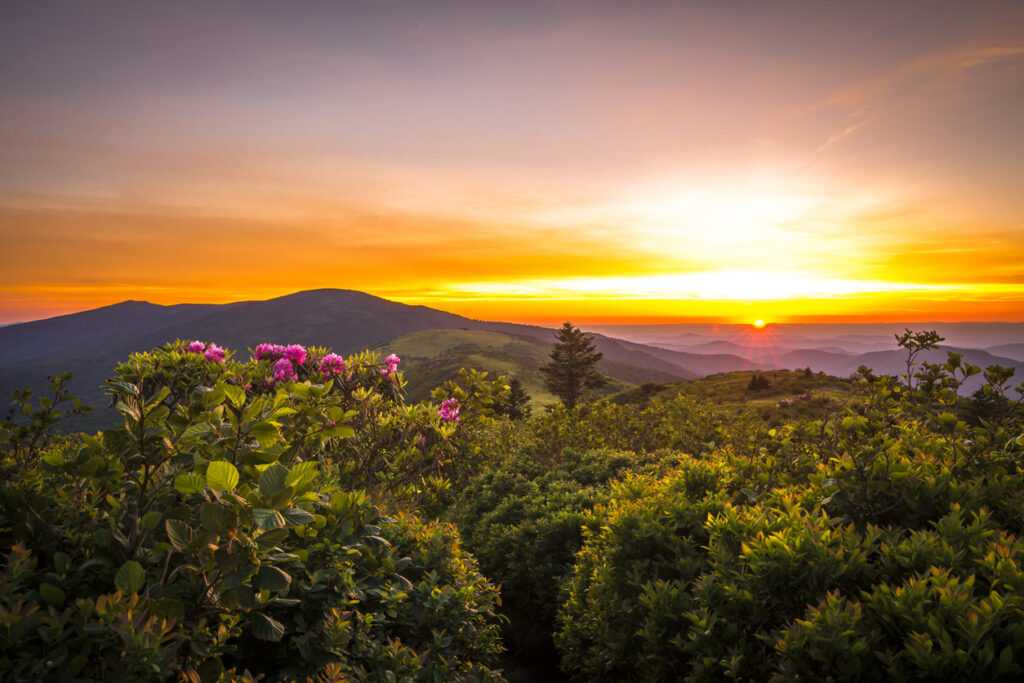
Roan Mountain is home to one of the largest natural Catawba rhododendron gardens in the world, spread across high-elevation grassy balds between 5,000 and 6,000 feet.
- Peak bloom: Typically early to mid-June
- Best viewing: Round Bald, Jane Bald, and Grassy Ridge sections of the Appalachian Trail
Celebrate the rhododendron with a festive twist! Roan Mountain is home of two festivals that take place in June every year: The NC Rhododendron Festival in Bakersville, North Carolina and the Roan Mountain Rhododendron Festival in Roan Mountain State Park, Tennessee. Both offer a lively atmosphere with crafts, music, food, and local traditions.
Graveyard Fields
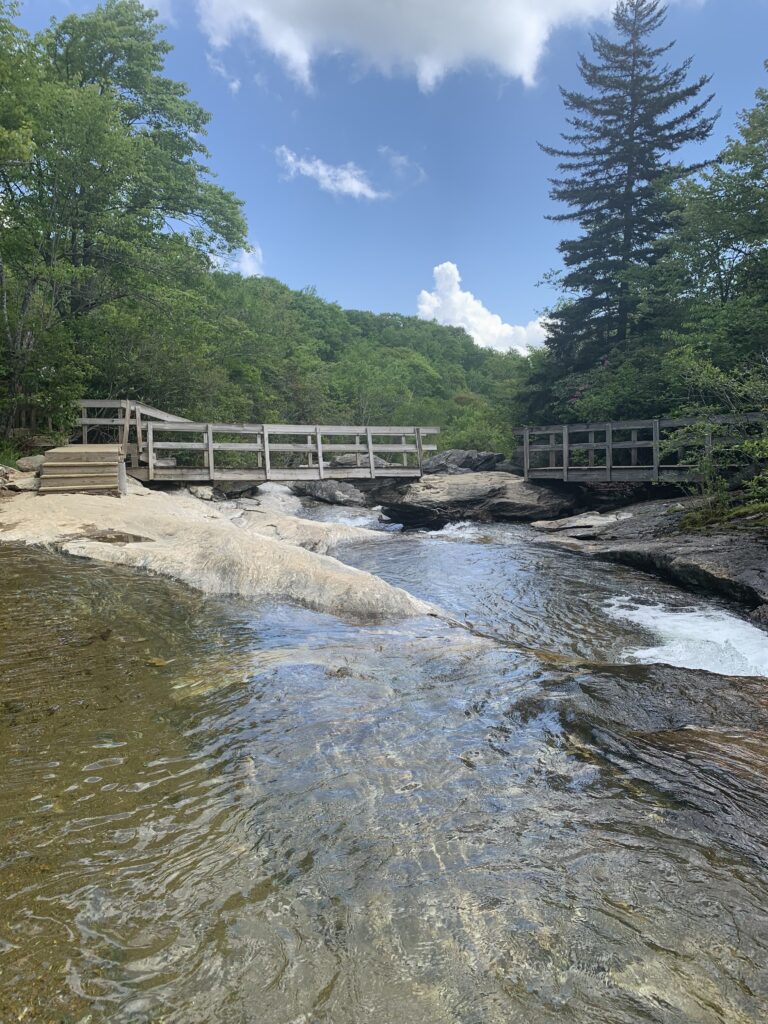
Located at approximately 5,000 feet in elevation, Graveyard Fields offers expansive rhododendron viewing in open high-country terrain.
- Mid–Late May: Early rhododendron blooms begin
- Late May–Early June: Peak color across exposed areas near waterfalls and open meadows
This area often blooms slightly later than mid-elevation Parkway sections but slightly earlier than Roan Mountain, depending on conditions.
Additional Noteworthy Rhododendron Spots
- Rough Ridge (near Linn Cove Viaduct) – Elevated trail sections with mid-to-late May rhododendron displays.
- Mount Pisgah area (Milepost 408) – Reliable mid-to-late May bloom timing.
- Max Patch (near Hot Springs, NC) – Occasional high-elevation rhododendron displays in late May to early June.
Own a Piece of Springtime Magic
At Altamont Property Group, we’re passionate about connecting people with their dream properties in Western North Carolina. From scenic mountain retreats to in-town Asheville properties, we’re here to help you put down roots in the perfect place so you can experience the magic of Western North Carolina year-round. Contact us today and turn your dream of owning a piece of paradise into reality.
Rhododendrons in Western North Carolina FAQ
When is peak wildflower season in Western North Carolina?
Peak wildflower season typically runs mid-April through late May, though higher elevations extend blooms into mid-June. Lower elevations bloom first, followed by mid and high elevations.
Are rhododendrons native to Western North Carolina?
Yes — several rhododendron species are native to Western North Carolina. The most well-known are Catawba rhododendron (Rhododendron catawbiense) and rosebay rhododendron (Rhododendron maximum), both of which thrive in the Blue Ridge Mountains.
What rhododendron varieties grow best in Western North Carolina, and where can I buy them locally?
Globally, there are over 1,000 rhododendron species and thousands of hybrid cultivars, but in Western North Carolina, only certain varieties thrive in the region’s cool mountain climate and acidic soils. Some of the best-performing rhododendrons for WNC gardens include Catawba rhododendron, rosebay rhododendron, and selected hybrid azaleas bred for bloom size and color. Gardeners can visit local nurseries and garden centers, native plant sales, and botanical garden events that focus on cultivars specifically chosen to flourish in the Blue Ridge Mountains.