Buying land involves much more than finding a property with the right location or views. Zoning, deed restrictions, access easements, flood hazards, and conservation easements can all influence how a property may be used, improved, or developed in the future.
If you’re considering buying land with a conservation easement, it’s important to understand exactly what those restrictions mean before making an offer. While conservation easements protect important natural resources and can offer meaningful benefits, they also place permanent limitations on how the property is used. Understanding the conservation easement can help you determine whether a property is the right fit for your goals.
Whether you’re searching for mountain acreage in Western North Carolina or rural property elsewhere, this guide explains what a conservation easement is, how it affects buyers and sellers, and what you should know before moving forward.
Key Takeaways
- A conservation easement is a voluntary legal agreement that permanently protects certain conservation features of a property.
- Conservation easements often limit future subdivision, development, or commercial use while allowing continued private ownership.
- Buying land with a conservation easement can provide privacy and preserved natural surroundings, but it also comes with restrictions buyers should understand.
- Always review the recorded easement documents, title report, and survey before purchasing property.
What Is a Conservation Easement?
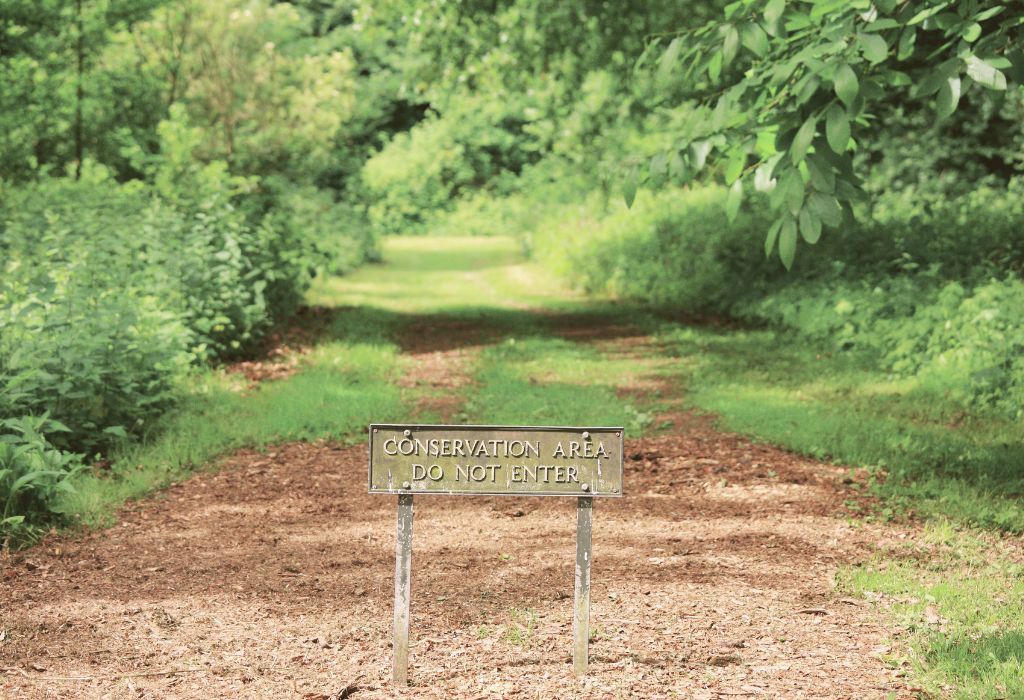
A conservation easement is a legally binding agreement between a landowner and a qualified conservation organization or government agency that permanently limits certain types of development on a property. The purpose is to protect natural resources, wildlife habitat, farmland, forests, scenic views, or historic features.
Unlike selling land to a public agency, the property generally remains privately owned. Owners can often continue using the land for approved purposes such as farming, forestry, recreation, or building within designated areas, depending on the specific easement terms.
Every conservation easement is unique. Some only restrict subdivision, while others prohibit new structures or significant land disturbance. Because of this, understanding the conservation easement requires reviewing the specific recorded documents for the property you’re considering.
For buyers, the easement becomes part of the property’s title and typically remains in place permanently, even after ownership changes.
What a Conservation Easement Actually Means for Your Land
Owning property with a conservation easement is different from simply owning undeveloped (or minimally developed) property.
Although you still own the land, certain rights have been voluntarily given up by a previous owner to protect the property’s conservation value. Depending on the agreement, restrictions may include:
- Limiting future subdivision
- Restricting additional homes or structures
- Protecting streams or wetlands
- Preventing commercial development
- Limiting timber harvesting
- Preserving wildlife habitat
- Requiring approval before certain improvements
The specific restrictions vary significantly from one property to another. Some easements allow one homesite while others prohibit any additional residential construction.
Benefits of Buying Land with a Conservation Easement
For many buyers, buying land with a conservation easement offers several important advantages.
Protected Natural Beauty
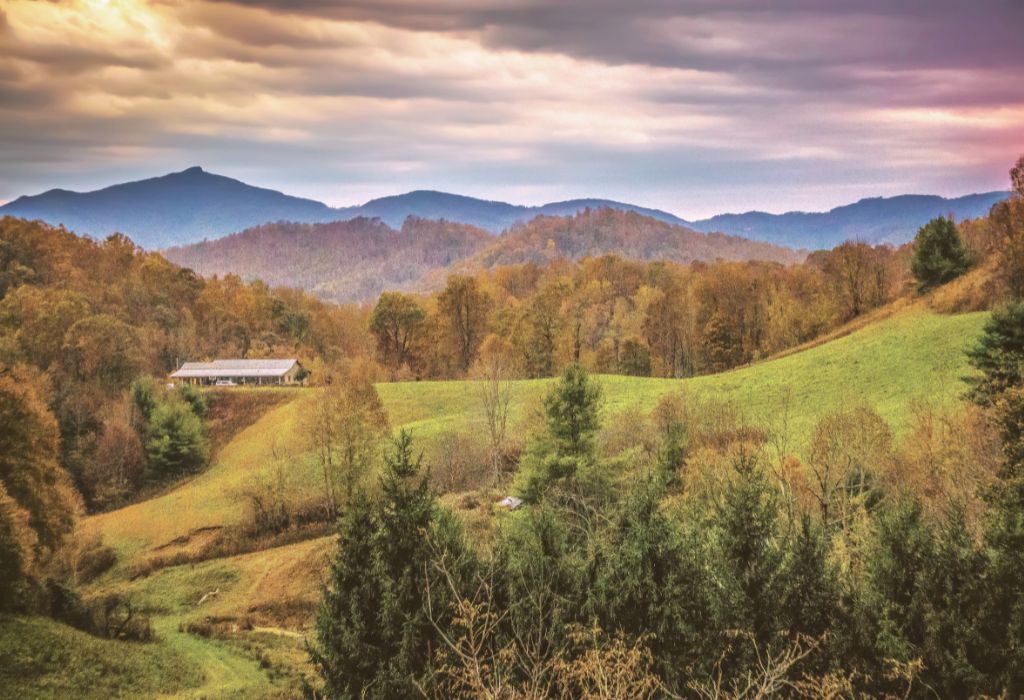
The surrounding landscape is often protected from future large-scale development, helping preserve mountain views, forests, farmland, and open space.
Increased Privacy
Because many easements limit subdivision, neighboring properties are less likely to be developed as dense residential developments.
Wildlife Habitat
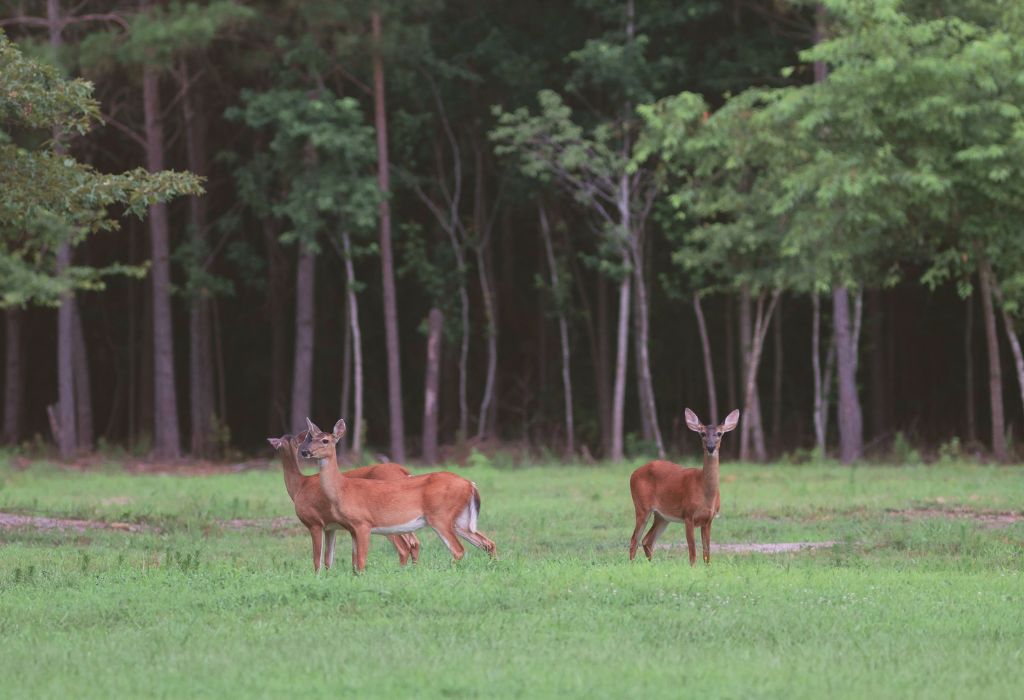
Protected land frequently supports healthier wildlife populations and preserves natural ecosystems.
Potential Tax Benefits
Current landowners who donate qualifying conservation easements may receive federal income tax deductions and, depending on state law, additional tax incentives. Buyers should consult a tax professional to determine whether any tax advantages apply to their situation.
Long-Term Land Stewardship
Many buyers appreciate knowing the property’s natural resources will remain protected for future generations.
Drawbacks of Buying Land with a Conservation Easement
While conservation easements offer many benefits, they are not the right fit for every buyer. Before purchasing land with a conservation easement, it is important to understand how the restrictions could affect your future plans for the property.
Development Restrictions
The most significant limitation is reduced flexibility. Building additional homes, subdividing property, or expanding improvements may not be allowed.
Approval Requirements
Some conservation organizations require approval before making certain changes, such as constructing buildings, clearing land, or installing roads.
Financing Considerations
Some lenders may request additional documentation regarding the easement before approving financing, particularly if the restrictions significantly affect property value or future use.
Lower Future Development Potential
If your long-term plan includes subdivision or development, a conservation easement may reduce the property’s investment potential.
What to Know Before Buying Land with a Conservation Easement
Before buying land with a conservation easement, take the time to understand exactly what rights transfer with the property.
You should review:
- The recorded conservation easement
- A current title report
- The property survey
- Existing building envelopes (locations where buildings exist or are allowed to be built)
- Permitted and prohibited land uses
- Maintenance obligations
- Any monitoring requirements from the easement holder
It is also helpful to work with a real estate agent experienced in land transactions. They can help coordinate communication with the title company, attorney, surveyor, and conservation organization.
If you’re purchasing property in North Carolina, an experienced real estate attorney can explain how the easement affects your ownership rights before closing.
How to Sell a Conservation Easement on Land You Currently Own
Many landowners wonder whether they can create a conservation easement after purchasing property.
In many cases, the answer is yes.
Landowners typically work with a qualified land trust or government agency to determine whether their property meets conservation goals. The organization evaluates the property’s ecological, agricultural, scenic, or historic value before negotiating the easement terms.
Once finalized, the easement is recorded with the property’s deed and generally becomes permanent. Depending on the circumstances, landowners may receive tax benefits, grant funding, or direct compensation through certain conservation programs. Because these rules vary, it is important to consult both a tax professional and an attorney before moving forward.
Bottom Line
A conservation easement can be an excellent fit for buyers who value privacy, open space, and long-term environmental protection. At the same time, it is important to fully understand the restrictions before purchasing land to avoid surprises after closing.
If you’re considering buying land with a conservation easement in Asheville or Western North Carolina, the team at Altamont Property Group can help you evaluate each property’s unique opportunities and limitations. Whether you’re searching for recreational land, farmland, mountain acreage, or the perfect homesite, we’re here to help you make an informed decision.
Conservation Easement FAQ
Can conservation easements affect financing or getting a mortgage?
Yes. Most lenders will finance property with a conservation easement, but they may review the easement documents to understand how the restrictions affect the property’s value and permitted uses.
Should I get a title search before buying land with a conservation easement?
Absolutely. A title search helps confirm the recorded conservation easement, identifies any additional restrictions, and ensures you understand what rights transfer with the property before closing.
How do I find out if a property has a conservation easement?
Your real estate agent, attorney, title company, or county Register of Deeds can help determine whether a conservation easement has been recorded against the property. The easement should also appear during the title search.
Can I have a homestead on conservation easement land?
Sometimes. Many conservation easements allow an existing home or designated building envelope, while others restrict additional residential construction. The answer to whether or not you can have a homestead on conservation easement land depends entirely on the individual easement agreement.
Is pending the final step before closing?
In most cases, no. A conservation easement is intended to be permanent and remains with the property even after it is sold. In rare circumstances, an easement may be amended or terminated through legal action or by agreement with the easement holder, but only if allowed by state law and the terms of the easement. Because these situations are uncommon, buyers should assume the restrictions will remain in place indefinitely.