The idea of homesteading has become increasingly popular as more people look for a simpler, more self-sufficient lifestyle. Whether your goal is growing your own food, raising animals, reducing your dependence on grocery stores, or simply living closer to nature, starting a homestead can be an incredibly rewarding journey. It also requires careful planning, realistic expectations, and the right property. Fortunately, Western North Carolina offers many of the natural resources and viable land that make homesteading possible. Here’s what you should know before getting started.
Key Takeaways
- Western North Carolina offers excellent conditions for homesteading thanks to its climate, water resources, and available rural land.
- Choosing the right property requires evaluating zoning, soil quality, water access, and future infrastructure needs.
- Successful homesteading starts with clear goals, a realistic budget, and learning practical skills before expanding.
- Working with a local real estate expert can help you find land that supports your long-term homesteading vision.
What is Homesteading?
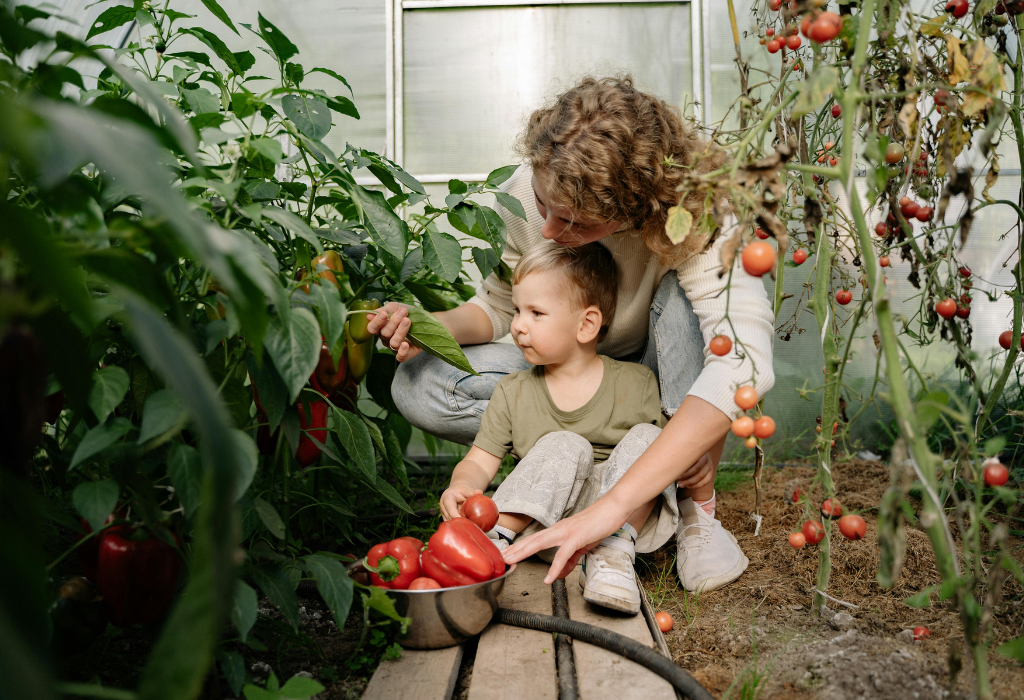
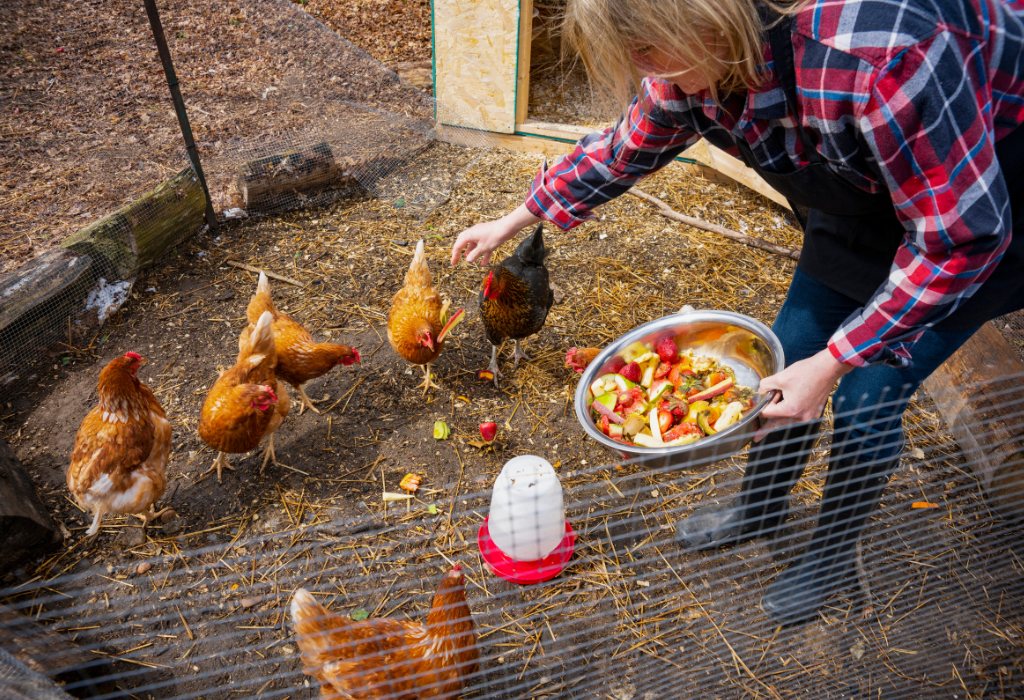
Homesteading is a lifestyle centered around self-sufficiency. While every homestead looks different, many people grow vegetables, raise chickens or livestock, preserve food, collect rainwater, compost, and produce as much of their own food as possible. Some aim for complete independence, while others simply enjoy producing fresh food and living more sustainably.
Modern homesteading isn’t about eliminating every convenience. Instead, it’s about intentionally creating a property that supports your family’s goals while reducing reliance on outside resources. Homesteading can range from a small backyard garden with chickens to several acres supporting orchards, livestock, and large vegetable gardens.
Differences between Homesteading and Farming
Although the two are often used interchangeably, homesteading and farming serve different purposes. Farming is generally a commercial business focused on producing crops or livestock for sale and profit.
Homesteading focuses first on providing food and resources for the household. While many homesteaders sell extra eggs, produce, honey, or handmade goods, earning income is usually secondary to creating a more sustainable lifestyle.
Can You Homestead in Western North Carolina?
Absolutely. Western North Carolina is one of the most attractive regions in the Southeast for homesteading thanks to its combination of rural land, moderate climate, abundant rainfall, and strong agricultural heritage. While mountain properties come with unique considerations, many buyers successfully establish productive homesteads throughout the Asheville area and surrounding counties.
Availability of Land
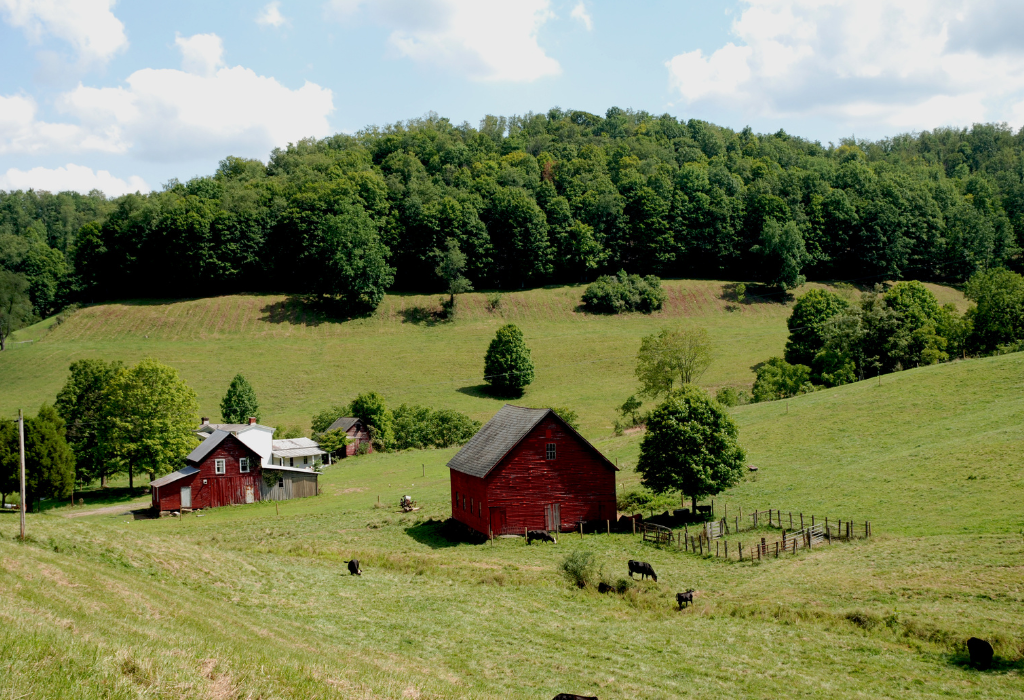
One of the biggest advantages of homesteading in Western North Carolina is the variety of land available. Whether you’re looking for just a few acres to grow food and keep chickens or 10 or more acres for livestock and rotational grazing, you’ll find plenty of options in the region. Many rural communities outside Asheville also offer larger properties while keeping you close to healthcare, shopping, farmers markets, and other everyday conveniences.
Access to Water and Natural Resources
Western North Carolina’s natural landscape provides a variety of water resources that can support a homestead. Many properties feature private wells, creeks, springs, or ponds for gardens and livestock, while the region’s consistent rainfall helps maintain healthy growing conditions throughout much of the season. It’s also easy to find properties that also include wooded acreage for firewood, wildlife habitat, privacy, and opportunities for responsible forest management.
Climate and Growing Season
Western North Carolina benefits from four distinct seasons with relatively mild winters compared to much of the Northeast. Elevation plays a major role in determining frost dates, but many areas enjoy growing seasons long enough for vegetables, berries, fruit trees, and perennial crops. Gardeners can often produce cool-season crops in spring and fall while growing tomatoes, peppers, squash, beans, and corn throughout the summer months. Understanding what to plant each season is an important part of maintaining a productive garden.
How to Start a Homestead
Starting a homestead doesn’t happen overnight. Building gradually allows you to learn new skills, avoid unnecessary expenses, and create systems that work for your property.
Define Homesteading Goal
Begin by deciding what homesteading means for your family. Are you hoping to grow vegetables for personal use? Raise chickens? Keep goats or cattle? Produce nearly all of your own food? Having clear goals helps determine how much land you’ll need, what type of infrastructure to build, and which properties make the most sense.
Create a Budget
Your budget should include more than the purchase price of the property. Consider expenses like:
- Fencing
- Gardening equipment
- Raised beds
- Greenhouses
- Barns and sheds
- Livestock
- Feed
- Irrigation systems
- Wells or water improvements
- Tractor or utility vehicle
- Ongoing maintenance
Planning ahead prevents unexpected costs from slowing your progress.
Choose the Right Property
Choosing the right property is one of the most important decisions you’ll make when starting a homestead. A property that works well for gardening may not be ideal for livestock, orchards, or future outbuildings, so it’s important to think beyond your immediate needs by evaluating the land’s layout, topography, utilities, road access, and long-term potential.
Zoning
Before purchasing, verify county zoning regulations, deed restrictions, easements, and any HOA rules that may affect how you can use the property. Some communities limit livestock, accessory structures, fencing, short-term rentals, or other agricultural activities. It’s also wise to understand setback requirements before planning barns, greenhouses, workshops, or additional dwellings, as these regulations determine where structures can legally be built.
Soil Quality
Healthy soil is one of your greatest assets as a homesteader. Consider having the soil tested before purchasing or soon after moving in. Well-draining soil with balanced nutrients will improve gardening success while reducing the need for future amendments. Soil test kits are available through the NC Department of Agriculture at no cost to North Carolina residents from April 1 through late November.
Water and Well Considerations
Reliable water is essential for any homestead. If the property has a private well, ask about its age, depth, yield, maintenance history, and recent water quality testing. If you’re planning to raise livestock or maintain a large garden, make sure the water supply can support those long-term needs. Properties with additional water features, such as creeks, springs, or ponds, may offer added flexibility for agricultural use, but it’s important to understand any regulations or maintenance responsibilities associated with them.
Access, Utilities, and Future Improvements
Many rural properties in Western North Carolina rely on private roads, septic systems, and wells rather than municipal services. Before purchasing, confirm who maintains the road, verify the condition and capacity of the septic system, and determine where utilities are located. If you plan to add fencing, a barn, a greenhouse, or other structures in the future, understanding existing infrastructure and utility locations can save significant time and expense.
Learn the Grow Season
Western North Carolina’s diverse elevations mean growing conditions can vary across the region. Understanding your area’s average first and last frost dates will help you choose the right crops and plant at the right time for a more productive harvest. Many homesteaders also use greenhouses, cold frames, or high tunnels to extend the growing season and enjoy fresh produce earlier in the spring and later into the fall. For crop-specific planting dates, the Western North Carolina Planting Calendar from NC State Extension is an excellent resource.
Plan and Create Necessary Infrastructure
Thoughtful planning is one of the most important steps in building a successful homestead. Before adding structures or expanding your operation, take time to understand your property’s layout, zoning regulations, building setbacks, easements, and any HOA restrictions that may apply. If you’re purchasing land, it’s also important to confirm the location of utilities, septic systems, wells, and access roads, as these factors can influence where future buildings, gardens, and pastures can be placed.
Barns and Storage Buildings
Storage buildings protect tools, equipment, feed, seeds, and harvested crops from weather and pests. If livestock are part of your plan, barns, run-in sheds, or other animal shelters should be among your first infrastructure projects. Before construction, verify local setback requirements and permit regulations to ensure buildings are located appropriately on the property.
Composting & Waste Storage
A designated composting area transforms kitchen scraps, leaves, and animal manure into nutrient-rich soil amendments while helping keep your property organized. When planning compost or manure storage, consider drainage, slope, and proximity to wells, streams, and neighboring properties to help protect water quality.
Fencing and Pest Prevention
Quality fencing protects gardens from deer, rabbits, and other wildlife while safely containing livestock. Planning your fencing system early allows you to establish property boundaries, grazing areas, and rotational pastures before additional improvements are made. It’s also wise to verify property lines with a recent survey before installing permanent fencing to avoid boundary disputes.
Learn Necessary Skills
Homesteading is a lifelong learning experience, and every growing season brings new opportunities to build your knowledge. Fortunately, Western North Carolina has a strong agricultural heritage and an active community of farmers, gardeners, and homesteaders who are often willing to share their expertise.
Food Preservation and Canning
Growing your own food is only part of the journey. Learning safe methods for canning, freezing, dehydrating, and fermenting allows you to preserve your harvest and enjoy homegrown fruits and vegetables throughout the year while minimizing food waste. The NC State Extension is an excellent resource, offering research-based food preservation guides and seasonal workshops.
Gardening and Soil Working
The growing conditions throughout Western North Carolina make it important to understand your soil before planting. Learning about soil testing, crop rotation, composting, mulching, and integrated pest management will help improve your harvests year after year. Organizations like the Asheville-based Organic Growers School offer workshops on gardening, sustainable agriculture, permaculture, and homesteading skills.
Start Homesteading
One of the biggest mistakes new homesteaders make is trying to do everything at once. Instead, begin with a manageable garden, plant a few fruit trees, or raise a small flock of chickens before expanding into larger projects like beekeeping, livestock, or orchards. Every season brings new lessons, and as your skills and confidence grow, your homestead can grow right alongside them. In Western North Carolina, you’ll also find farmers markets, gardening groups, and agricultural organizations that make it easy to connect with experienced growers and continue learning from your local community.
Bottom Line
Homesteading is about creating a lifestyle that fits your family’s goals while making the most of your land. Western North Carolina offers many of the ingredients needed for success, including productive soil, reliable rainfall, beautiful scenery, and a strong agricultural heritage.
Finding the right property is one of the most important first steps. Whether you’re searching for acreage outside Asheville, a mountain property with room to grow, or land that’s already equipped for farming and gardening, the team at Altamont Property Group can help you find a home that supports your homesteading dreams throughout Western North Carolina.
Homesteading FAQ
What are the best counties near Asheville for homesteading?
Popular areas for homesteading near Asheville include Buncombe, Madison, Haywood, Yancey, Mitchell, Rutherford, and Henderson counties. These counties offer a variety of rural properties, farmland, and mountain acreage while providing access to local markets and essential services.
What should I grow first on a beginner homestead?
Begin with reliable, easy-to-grow vegetables like tomatoes, beans, lettuce, squash, peppers, herbs, and potatoes. Starting with a manageable garden allows new homesteaders to build confidence before expanding into larger crops or livestock.
What are the biggest challenges of homesteading in the mountains?
Mountain homesteads often require adapting to steep terrain, varying elevations, shorter growing seasons at higher elevations, and wildlife such as deer, bears, and rabbits. Careful planning for access roads, fencing, water systems, and garden placement can help overcome these challenges.
How much time does homesteading require?
The time commitment depends on the size of your homestead and your goals. A small garden and backyard chickens may require only a few hours each week, while larger homesteads with livestock, orchards, and extensive gardens often become a daily lifestyle.