Tucked between the rolling Blue Ridge Mountains and the wide, wooded valleys of Western North Carolina, off-grid living offers a chance to reconnect with nature and yourself. For many, it’s more than a lifestyle choice. It’s a return to simplicity, independence, and sustainability. Whether you envision a solar-powered cabin on a quiet ridge or a small homestead along a mountain creek, living off the grid in this region combines natural beauty with practical opportunity. From Asheville’s creative energy to the peaceful reaches of Madison and Haywood counties, Western North Carolina has become a haven for those seeking self-sufficient living with mountain charm and modern balance.
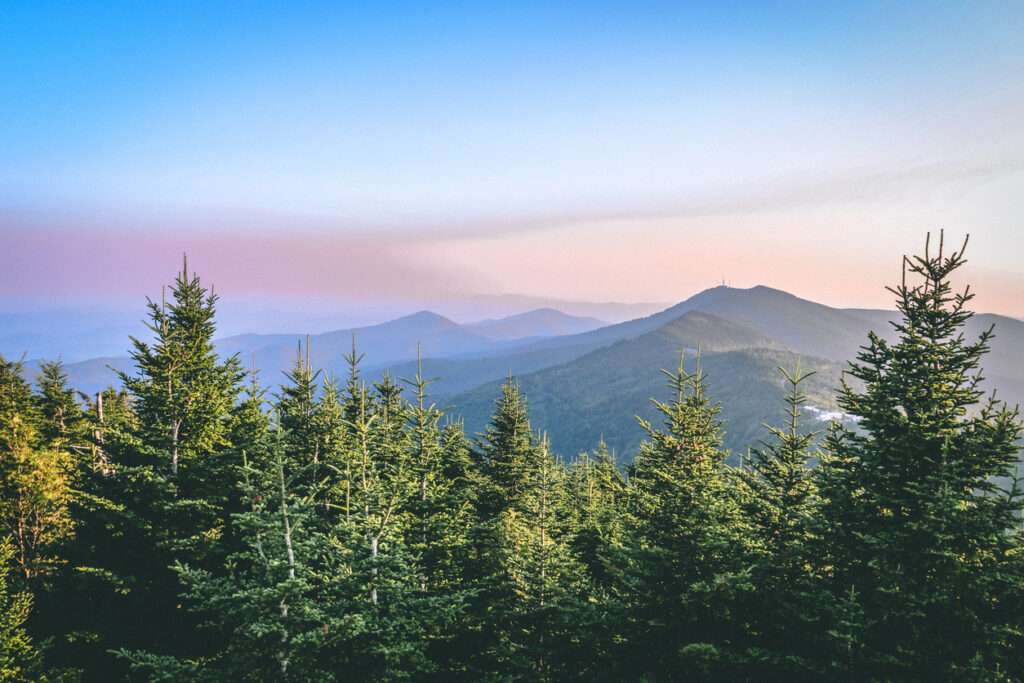
What to Consider With Off-Grid Living
Before diving into the specifics of Asheville off-grid and prepper properties, it’s crucial to understand your unique needs and aspirations. Here are some key questions to consider:
- What is your vision? Do you envision a luxurious getaway with modern amenities and ample provisions, or a rustic cabin offering a simpler, more self-sufficient lifestyle?
- What level of self-reliance are you seeking? Do you want the ability to grow your own food, raise livestock, or generate your own power?
- How much time will you spend at your retreat? Is this a weekend escape or a potential long-term residence?
- What is your budget? Asheville properties range from more affordable cabins to luxurious estates, so understanding your budget will help us tailor our search accordingly.
- What are your desired amenities? Do features like hiking trails, a swimming pool, or a guest house matter to you?
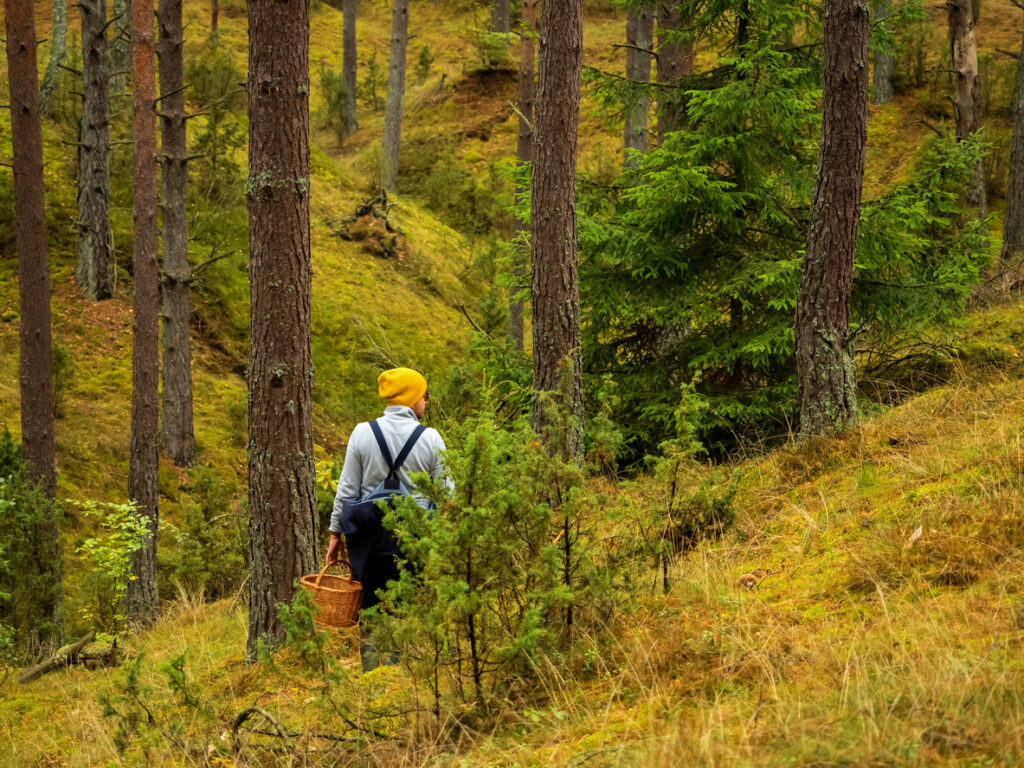
Off-Grid Living Near Asheville, NC
Nestled amidst the majestic Blue Ridge Mountains, Asheville offers a captivating blend of natural beauty, a vibrant cultural scene, and a growing emphasis on local food and sustainability. Here are some of the key reasons why Asheville is a perfect location for your off-grid property:
- Natural Abundance: Asheville boasts abundant clean water sources, fertile land, and a diverse range of flora and fauna, providing the foundation for a self-sufficient lifestyle.
- Mild Climate: With four distinct seasons and generally mild temperatures, Asheville offers year-round outdoor enjoyment and a longer growing season.
- Thriving Community: Asheville fosters a strong sense of community, with a growing number of residents interested in sustainable living and preparedness. This creates a supportive network for those seeking a more independent lifestyle.
- Cultural Hub: Alongside its natural beauty, Asheville offers a vibrant cultural scene with art galleries, music venues, and a diverse culinary scene, ensuring access to entertainment and amenities as desired.
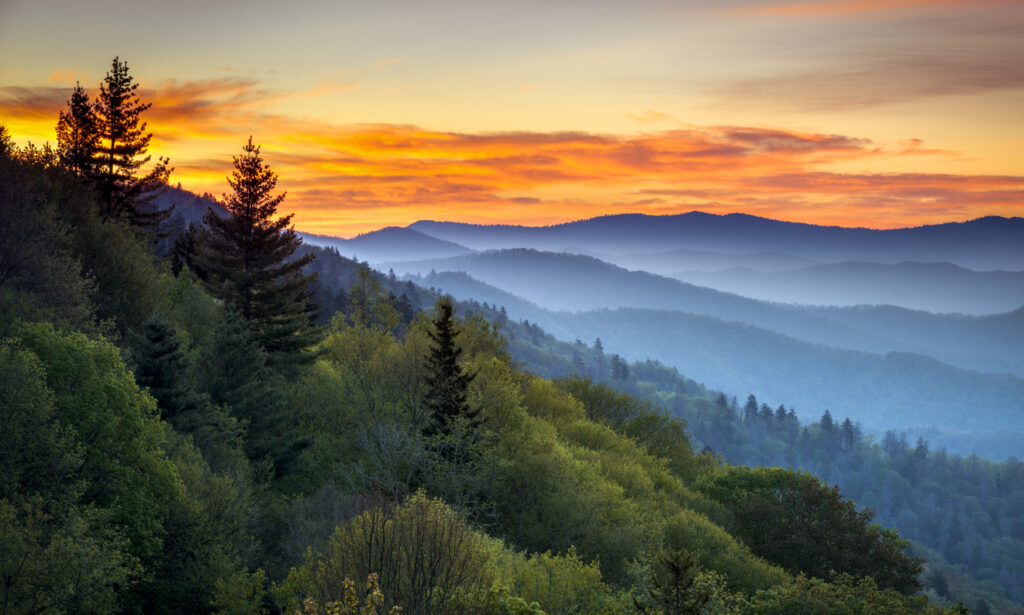
Key Considerations for Your Asheville Off-Grid or Prepper Property
When searching for your Asheville retreat, several key factors will influence your decision. Here’s a breakdown of essential considerations:
- Land and Location:
- Acreage: Consider how much land you need for privacy, gardening, raising livestock, or other desired activities. Larger acreage offers greater seclusion but may also require more maintenance.
- Accessibility: While you may desire a secluded location, ensure it’s still accessible during emergencies and within a reasonable distance from your primary residence, if applicable.
- Topography and Layout: Evaluate the property’s terrain, including slopes, potential for building sites, and access to natural resources like streams and sunlight.
- Distance from Urban Areas: While some privacy is desirable, being too isolated can be a disadvantage. Consider a location that offers a balance between seclusion and proximity to essential services.
- Community and Zoning: Research the surrounding community and zoning regulations to understand potential restrictions or limitations.
- Water Source: Having a reliable and secure water source is paramount for any retreat property. Look for properties with wells, springs, or access to year-round streams or rivers.
- Sustainability and Self-Sufficiency: If self-reliance is a priority, consider features like:
- Land suitable for gardening and raising livestock.
- Natural resources for alternative energy production, such as solar panels or hydropower.
- Space for rainwater harvesting systems.
- Security and Privacy: Look for properties that offer natural seclusion through topography or existing fencing. Consider gated communities or properties with established security features if desired.
- Existing Structures: Evaluate any existing structures on the property, such as cabins, barns, or outbuildings. These can be renovated or repurposed to meet your needs, potentially saving on construction costs.
How to Buy Land for Off-Grid Living
Finding the perfect Asheville off-grid retreat property is just the first step. Here are some additional resources and considerations for your journey:
- Financing: Having your budget and financial strategy in place is vital when considering making a land or home purchase. Options for financing retreat properties can vary. We recommend consulting with a lender experienced in rural or alternative property financing.
- Building and Construction: It’s important to have a clear idea of your construction and building needs before making any major decisions. Asheville has a wealth of experienced builders familiar with sustainable building practices and the unique considerations of mountain properties.
- Use a Real Estate Agent: Hire a real estate agent to make the entire process seamless and ensure you get the best deal possible.
Bottom Line
Through data-driven market knowledge, attention to detail, active communication, trust, and professionalism, our commitment to clients is uncompromising. Whether you are looking to buy, sell, or invest, the Altamont Property Group team offers a premier level of service to accomplish your real estate goals throughout Western North Carolina. Additionally, our partnership with Keller Williams Realty International gives us unmatched access to resources and exposure worldwide.
Off-Grid Living FAQ
Is off-grid living legal in Western North Carolina?
Yes, off-grid living is legal in North Carolina, but local zoning laws, building codes, septic permits, and minimum dwelling size requirements vary by county. Rural counties often have fewer restrictions than areas closer to Asheville.
Is now a good time to buy land near Asheville for off-grid living?
It depends on your budget and goals. Land prices are higher near Asheville, but surrounding counties like Madison County, Leicester, or Mars Hill, where larger tracts are often more affordable.
What should I look for when buying high-altitude land in Western NC?
Check road access, slope grade, winter weather conditions, and whether the land can support a well and septic system. Higher elevations often offer better views but may come with harsher weather and more difficult building conditions.
Do I need solar panels for off-grid living in the mountains?
Solar is one of the most common power sources for off-grid homes in Western NC, but tree coverage and mountain shadows can impact efficiency. Some homeowners combine solar with generators or battery backup systems.